What Is RFID Protection and Why Is It Important?
In today’s world, we carry more cards than ever: credit cards, debit cards, transit passes, and even IDs. With the rise of contactless payments and digital IDs, the technology behind these cards is advancing rapidly. However, with this convenience comes a growing concern: RFID theft, also known as electronic pickpocketing.
But what exactly is RFID? RFID (Radio Frequency Identification) technology allows cards and IDs to communicate wirelessly with scanners for quick transactions. This includes your contactless credit/debit cards, public transit passes, and even some modern passports.
While RFID technology provides convenience, it also opens the door for unauthorized individuals to scan your card details from a distance, potentially. That's where RFID wallets come in.
This article will help you understand how RFID wallets work, whether they are truly necessary, and whether you need one for your daily life.
What Is an RFID Wallet?
How Does an RFID Wallet Work?
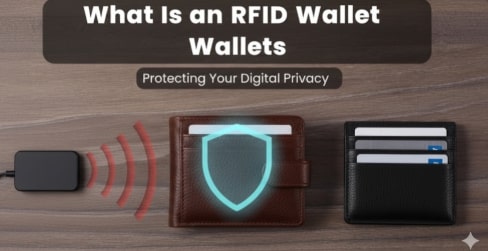
An RFID wallet is specifically designed to block RFID signals from unauthorized scanners. This is achieved through a special layer within the wallet—often made from metal alloys or conductive fabrics—that acts like a Faraday cage, preventing electromagnetic signals from being transmitted or received.
The Shielding Process: When you place your RFID-enabled cards inside the wallet, the shielding material blocks any attempts to scan them from a distance.
What’s inside? The shielding material can be hidden inside the lining of the wallet, allowing it to maintain a sleek appearance while still providing full protection.
RFID wallets provide a simple yet effective way to protect your sensitive information from digital theft without compromising on style.
What Materials Are Used for RFID Protection?
Most RFID wallets use one of these materials to block signals:
Some RFID wallets use a combination of both materials to provide enhanced protection. Depending on the material used, RFID wallets can come in various styles, from slim leather options to more rugged, tactical designs.
How to Tell If You Need an RFID Wallet
Which Cards Need RFID Protection?
Not all cards require RFID protection. Here are the types of cards that do:
Credit and Debit Cards: Many modern cards now come equipped with RFID technology for quick, contactless payments.
Public Transit Cards: Some transit cards use RFID for faster entry into subway stations and buses.
IDs and Passports: Certain countries are issuing RFID-enabled identification cards and passports for convenience and security.
To see if your card has RFID, look for the contactless payment symbol, the waves icon. If you see this on your cards, it’s likely an RFID-enabled card.
Do You Need RFID Protection for All Cards?
Not everyone needs an RFID wallet. If you primarily use traditional chip-and-pin cards or digital wallets (like Apple Pay or Google Pay), you likely don’t need an RFID wallet for security. The risk of RFID theft for these users is relatively low.
However, if you often carry multiple RFID-enabled cards, travel frequently, or are often in crowded areas, an RFID wallet can provide peace of mind. For instance, frequent travelers are particularly vulnerable to electronic pickpocketing in busy airports or on public transportation.
Should You Rely Solely on an RFID Wallet for Security?
While RFID wallets do provide added protection, they shouldn’t be your only line of defense. It’s also essential to practice smart security habits:
Use strong PINs and passwords on all digital payments.
Be mindful of where you place your cards. Keep them out of view when in public spaces.
Consider combining an RFID wallet with RFID-blocking sleeves for extra protection.
The Pros and Cons of RFID Wallets
What Are the Benefits of Using an RFID Wallet?
Protection from RFID Theft: The primary benefit of an RFID wallet is the protection it offers against unauthorized scanning and data theft.
Secure Travel: Whether you’re traveling by plane, train, or subway, an RFID wallet provides peace of mind, particularly in busy, crowded environments.
Style and Comfort: Many RFID wallets come in sleek, stylish designs, ensuring that you don’t have to sacrifice fashion for security.
What Are the Limitations or Cons of RFID Wallets?
Price: RFID wallets can be more expensive than standard wallets, due to the added materials and technology involved in blocking RFID signals.
Bulkiness: While some RFID wallets are slim, others can feel bulkier, particularly if they’re designed to hold many cards or have thicker shielding materials.
False Sense of Security: RFID wallets protect against a specific type of digital theft, but they won’t safeguard you from other forms of identity theft (e.g., stolen credit card numbers via online shopping).
How to Choose the Best RFID Wallet for Your Needs
What to Look for in an RFID Wallet?
Material: Whether you prefer leather, fabric, or metal alloy wallets, make sure they offer durable, effective RFID protection.
Design: Choose a design that suits your lifestyle—whether it’s a sleek leather wallet for work or a more rugged, durable wallet for travel.
Storage: Consider how many cards and cash you need to carry. RFID wallets come in all shapes and sizes, so make sure to choose one that fits your needs.
What Are the Top Features in an RFID Wallet?
Durability: A good RFID wallet should last for years, maintaining its RFID-blocking properties.
Comfort: Look for a wallet that is comfortable to carry in your pocket or bag, without being too bulky.
Security: Always ensure the RFID blocking is certified for quality protection.
Do All Wallets Have RFID Protection?
Are All Modern Wallets RFID-protected?
No, not all wallets come with RFID protection. Many standard wallets still don’t offer this feature. If you want to ensure your cards are protected, you’ll need to look for a wallet specifically labeled as RFID-blocking.
Can You Add RFID Protection to Your Existing Wallet?
If you already own a wallet but want to add RFID protection, consider using RFID blocking sleeves. These can be inserted into your wallet to shield your cards without replacing the entire wallet.
Conclusion: Is an RFID Wallet Right for You?
So, do you really need an RFID wallet? If you often carry contactless cards and are concerned about security, an RFID wallet can offer peace of mind. It’s especially useful for frequent travelers, those using public transport, or anyone who wants to stay secure in crowded areas.
In the end, whether or not you choose an RFID wallet depends on your lifestyle and security needs. If you feel the need for extra protection, explore our RFID Wallets collection today to find the right one for you.