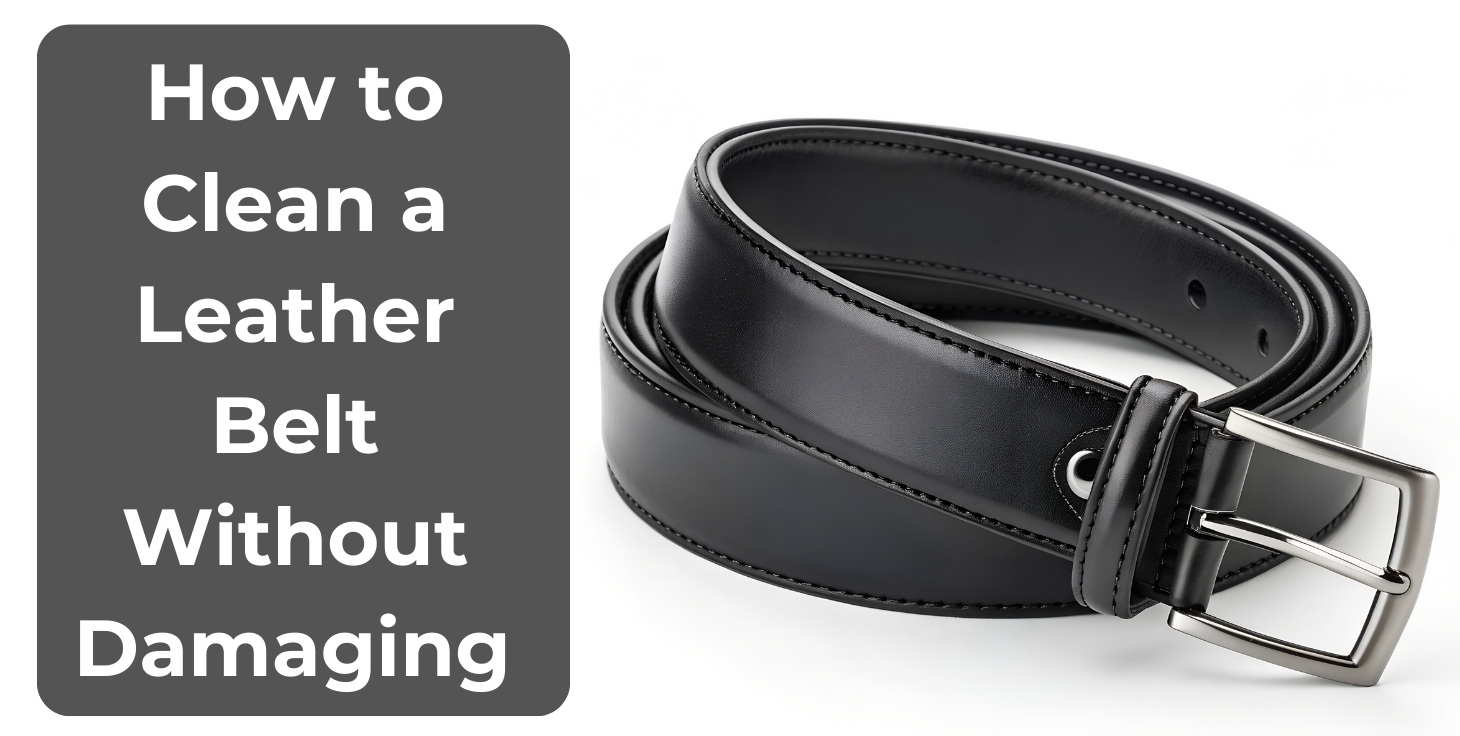
Leather belts are an essential part of our wardrobes, offering both functionality and style. However, leather can be tricky to clean. Whether it's dirt, sweat stains, or simply a buildup of grime, improper cleaning can cause your belt to lose its natural beauty, fade in color, or even crack. Cleaning your leather belt doesn’t have to be a difficult process, though. With the right techniques and tools, you can restore its appearance and keep it in top condition without damaging the leather.
In this guide, we’ll walk you through how to clean a leather belt the right way—without compromising its quality. Whether you have a full-grain, top-grain, or genuine leather belt, we'll cover the safe and effective methods for each type of leather.
Why Does Leather Need Special Cleaning?
Leather is a natural material made from animal hide, and because of this, it requires special care. Unlike synthetic materials, leather is porous, meaning it absorbs moisture and dirt. While this gives leather its unique texture and durability, it also makes it susceptible to staining and cracking if not cleaned and conditioned properly.
When cleaning your leather belt, it’s essential to remember that harsh chemicals or excessive heat can damage the material, causing it to dry out, fade, or become brittle. That’s why you must always choose safe cleaning methods and products that will maintain the integrity of the leather.
Step-by-Step Guide to Cleaning a Leather Belt
1. Assess the Leather Type
Before you start cleaning, it’s important to know the type of leather your belt is made from. This will determine which cleaning products and techniques are most suitable.
Full-grain leather: This is the highest quality leather and tends to be more durable and resistant to stains. Full-grain leather belts should be cleaned with gentle, natural methods to avoid stripping away the natural oils.
Top-grain leather: A step down from full-grain, top-grain leather is still high quality but may require more attention to maintain its appearance. It’s important to clean it with care to preserve the smooth, polished finish.
Genuine leather: This is typically a lower-grade leather and can be more prone to damage. Proper cleaning is essential to prevent it from drying out or cracking.
Example: If you’re cleaning a premium full-grain leather belt, our leather care kit can help maintain its texture and softness.
2. Gather the Necessary Cleaning Tools
To clean your leather belt properly, you don’t need a lot of fancy equipment, just the right tools. Here’s what you’ll need:
Soft microfiber cloth: This will be your primary tool for wiping the leather. Avoid using paper towels or rough fabric, as these can scratch or damage the leather.
Mild soap or leather cleaner: You’ll need a gentle soap (like baby shampoo) or a specialized leather cleaner. Avoid harsh household cleaners, as they can strip the leather’s natural oils.
Leather conditioner: After cleaning, apply a conditioner to replenish the oils that help maintain the leather’s softness.
Water: Use water sparingly, as too much moisture can damage the leather.
3. Wipe Down the Belt
Start by gently wiping the surface of your belt with a dry microfiber cloth to remove any loose dirt or dust. This step ensures that you’re not rubbing dirt into the leather when you clean it.
Once the surface is clear, dampen your cloth with a small amount of warm water (make sure it’s not soaking wet). Gently wipe down the entire belt, focusing on areas where grime or stains are present. Be careful not to saturate the leather—water can warp and damage it if over-applied.
Tip: If your belt has a stubborn stain or dirt buildup, mix a small amount of mild soap with water, dampen the cloth, and gently scrub the stained area in a circular motion.
4. Clean the Belt with Soap or Leather Cleaner
If your leather belt needs a deeper clean, it’s time to use a leather-safe cleaner or mild soap. Choose a product that’s specially formulated for leather, as harsh chemicals can cause irreparable damage.
Using leather cleaner: Apply a small amount of leather cleaner to a clean microfiber cloth. Rub the cloth gently in a circular motion over the entire belt. Don’t soak the belt—just use enough cleaner to lift away dirt and grime.
Using mild soap: If you don’t have leather cleaner, you can use a mild soap like baby shampoo. Mix a tiny amount with warm water and use the cloth to gently clean the belt. Again, be cautious not to soak the leather.
After cleaning, use a dry cloth to wipe off any excess cleaner or soap residue from the belt. Never leave cleaning solution on the leather.
5. Dry the Leather Belt
After cleaning, it’s crucial to dry your belt properly. Never place your belt directly under the sun or use direct heat, as this can cause the leather to dry out and crack. Instead, allow the belt to air dry naturally at room temperature.
Air dry: Lay the belt flat on a clean surface or hang it up to dry. Don’t fold or crumple the belt, as this can distort its shape.
Avoid heat: Never use a blow dryer or place the belt in front of a heater. The heat will strip the leather of its natural oils and cause it to become brittle.
6. Apply Leather Conditioner
After your belt has dried, it’s time to replenish the leather’s oils and restore its flexibility. Apply a leather conditioner that’s appropriate for your belt’s leather type. This will help keep the belt soft, prevent it from cracking, and maintain its rich texture.
How to apply conditioner: Put a small amount of conditioner on a clean microfiber cloth. Rub it gently into the belt using circular motions, making sure the conditioner is evenly distributed.
Buff the belt: After applying the conditioner, allow it to absorb for 10–15 minutes. Then, use a clean cloth to buff the belt and remove any excess conditioner.
Regular conditioning (every 3–6 months) will help maintain the belt’s quality and prevent it from becoming stiff over time.
What to Avoid When Cleaning Your Leather Belt
While cleaning your leather belt is important for its longevity, there are several mistakes to avoid to prevent damaging the leather:
Avoid using harsh chemicals: Never use bleach, ammonia, or other strong cleaning products on your leather belt, as these can break down the leather fibers and cause discoloration.
Don’t over-wet the leather: Leather is a natural material that absorbs moisture. Too much water can cause the leather to warp or develop mold. Always use a damp cloth, not a soaking one.
Don’t dry with heat: Never place your belt in a direct heat source like a heater or radiator. Excess heat can cause the leather to shrink, crack, or become discolored.
Avoid over-conditioning: While conditioning is important, using too much conditioner can leave the leather greasy and attract dirt.
Conclusion: Proper Leather Belt Care for Longevity
Cleaning your leather belt doesn’t need to be complicated or risky. By using gentle cleaning methods, conditioning the leather, and avoiding harsh chemicals or heat, you can keep your belt looking pristine for years to come. Whether you have a full-grain leather belt, top-grain leather belt, or genuine leather belt, these cleaning tips will help preserve its quality and appearance.
If you're looking for a high-quality leather products, explore our Leather Belts Collection and discover the perfect addition to your wardrobe!